JUL 01, 20267 mins min read
Why Cheap Leads Are the Most Expensive Thing in Your Funnel
CPL going down feels like a win. It usually isn't. Here is what actually happens when you optimise for cheap leads and how to fix it.
Why Cheap Leads Are the Most Expensive Thing in Your Funnel
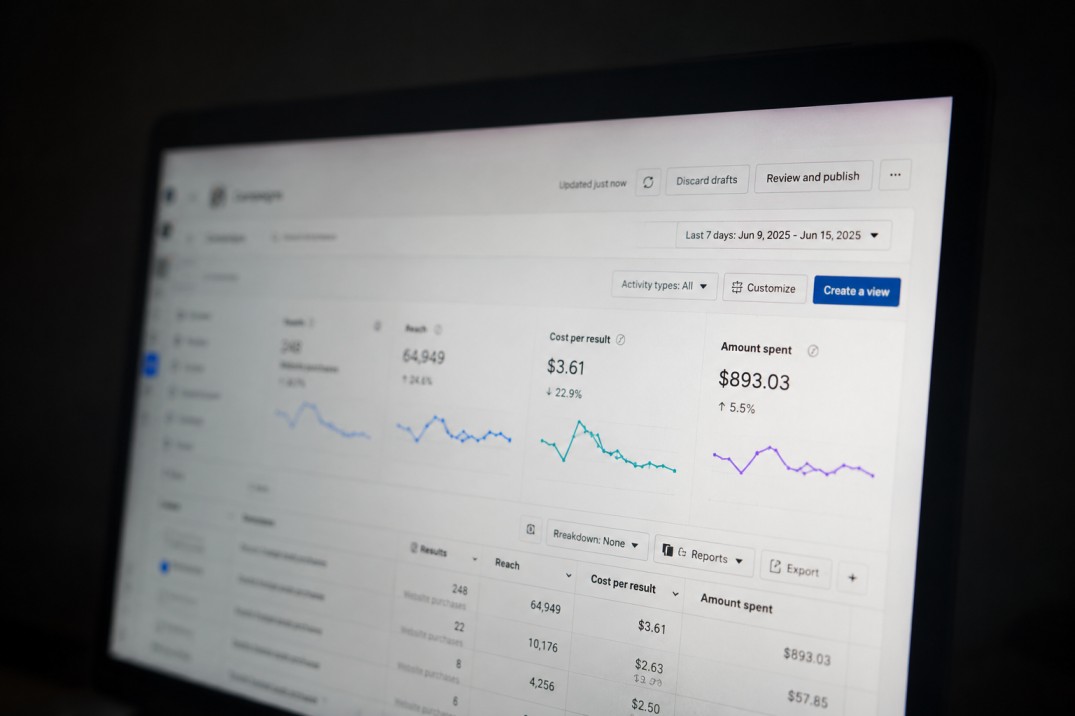
The dashboard said ₹110 CPL. The founder was happy. The sales team was not returning my calls.
That gap between what the ad account shows and what actually happens downstream is where most performance marketing budgets quietly die. And it almost always starts with the same mistake: optimising for cheap leads instead of good ones.
What the algorithm is actually doing
When you set a campaign to get leads at the lowest possible cost, Meta or Google does not go find you motivated buyers. It finds the easiest conversions. Broad audiences. Low-intent placements. Creatives that generate curiosity rather than genuine interest.
The person who fills your form at ₹90 is not the same person who fills it at ₹450. The ₹90 lead clicked because something caught their eye while scrolling at 11pm. The ₹450 lead was looking for what you sell.
The algorithm cannot tell them apart. Both are conversions. Both count.
So you scale the cheap campaign. Volume goes up. CPL stays low. Everyone is happy until the sales team picks up the phone.
The cost you are not measuring
Here is what I have seen happen.
Sales team gets a list of 300 leads from a month of Meta spend. They start calling. About half do not remember filling any form. Thirty or forty filled it by accident, wrong number, misclick, whatever. Another chunk were just curious, no real intent to buy.
By the time you filter down to people who are actually interested and reachable and have a budget that makes sense, you might have 20 leads worth working. Out of 300.
Now think about what that does to a sales team. Call attempts go up because connect rates are terrible. The good leads get buried under the noise and sometimes do not get called back fast enough. Morale drops because closers hate working junk. And the cost per actual customer, not per lead, quietly becomes 4 or 5 times what the marketing dashboard suggests.
If you are paying your sales team in salary or commission, bad leads have a direct cost that never shows up in your ad account. It shows up in your P&L.
The number that actually matters
Cost per qualified lead. Not cost per lead.
Most teams do not track this because it requires marketing and sales to actually share data, and that handoff is broken at most companies. Marketing reports CPL. Sales reports pipeline. Nobody does the math that connects the two.
The calculation is not complicated. Take your ad spend for a period. Divide it by the number of leads your sales team marked as qualified. That number is almost always three to five times your reported CPL. I have seen it go higher.
Once you see that number, a ₹110 CPL campaign can start looking like a ₹600 qualified lead campaign. Suddenly the ₹380 CPL campaign from a tighter audience that your team wanted to kill is actually cheaper.
What to actually do
Tighten the form. Add one qualifying question that requires a real answer. Budget range, timeline, company size, something. It will reduce volume. That is the point. The people who fill out a slightly longer form want what you are selling more than the people who do not.
Change what you are feeding the algorithm. If you have CRM data on which leads converted to customers, upload that as a custom conversion and optimise toward it. You are telling the algorithm what a good outcome looks like, not just what a form fill looks like. The difference in lead quality is usually significant within two to three weeks.
Talk to your sales team every week without fail. They know within 48 hours which campaigns are sending garbage. Most teams skip this entirely. There is no standing meeting, no shared sheet, no Slack channel where sales tells marketing which campaigns sent junk last week. So the bad campaigns keep running.
One thing I keep having to explain: a sudden CPL drop is not always good news. If you did not change the budget or targeting and costs fell anyway, the algorithm found a new audience on its own. Worth asking why that audience is cheaper before you scale.
The actual problem
CPL is easy to report. It is a clean number that fits in a slide and makes sense to non-marketers. So everyone optimises for it, tracks it, gets rewarded for lowering it.
But it measures the wrong thing. It measures how cheaply you can get someone to fill a form. Not how cheaply you can get a customer.
The gap between those two things is where most ad budgets go.
Working with a D2C brand?
If the numbers aren't adding up, that's usually fixable.
I take on a small number of D2C clients for paid acquisition, funnel work, and growth audits. If you're spending on Meta or Google and the economics feel off, email me. I'll tell you honestly what I see.
See how I work →